Introduction
Customer relationship management (CRM) systems form the backbone of modern business operations. They allow organisations to store customer data, monitor interactions, manage sales pipelines, and support long-term relationships. As customer expectations continue to shift towards instant communication and personalised engagement, businesses are increasingly looking beyond traditional CRM functionality.
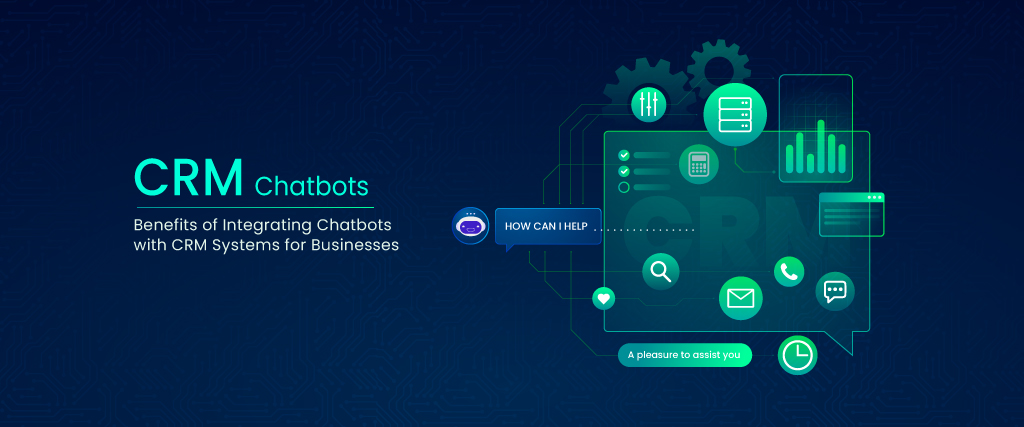
At the same time, chatbots have become a mainstream communication tool across websites, messaging platforms, and applications. When chatbots operate independently, their impact is limited. However, when integrated with CRM systems, they become far more powerful, connecting real-time conversations with structured customer data.
This article examines the business value of integrating chatbots with CRM platforms, explores the operational benefits, and discusses common challenges organisations face during implementation.
Why Chatbot and CRM Integration Matters
CRM systems store detailed records of customer profiles, past interactions, and purchasing behaviour. Chatbots, on the other hand, manage live conversations and immediate customer needs. Integrating the two bridges the gap between data and interaction.
When a chatbot is connected to a CRM system, every conversation contributes to a growing customer profile. Sales, marketing, and support teams gain access to up-to-date insights without relying on manual data entry. This alignment supports consistent communication across departments and reduces information silos.
Businesses adopting chatbot-CRM integration often see improvements in response time, lead handling, and customer satisfaction, all while reducing operational strain on internal teams.
Key Benefits of CRM and Chatbot Integration
Availability and Convenience
Chatbots operate continuously, providing support outside standard business hours. When integrated with a CRM system, they can access customer records instantly, allowing conversations to remain relevant and informed at any time of day.
This constant availability supports customers who expect immediate responses and reduces frustration caused by delays. Platforms such as YugasaBot provide businesses with a virtual assistant that remains active at all times, keeping customers engaged and informed without interruption.
Faster Resolutions and Reduced Waiting Periods
Customers increasingly prefer quick, direct answers rather than long waiting times on phone calls or email threads. CRM-integrated chatbots handle routine enquiries such as account details, order updates, and service information instantly.
By managing these common interactions, chatbots allow support teams to focus on more complex cases. YugasaBot’s integration with platforms like HubSpot automatically syncs conversations into the CRM, giving teams deeper visibility into customer behaviour and preferences without additional effort.
Lead Generation and Sales Support
Chatbots connected to CRM systems play a valuable role in lead generation. They can collect contact details, identify customer intent, and present relevant offers based on predefined criteria.
This structured data is transferred directly into the CRM, allowing sales teams to prioritise high-quality leads and respond more efficiently. YugasaBot’s built-in mini CRM and integration features provide sales teams with organised and actionable information, supporting smoother sales workflows.
Cost Efficiency and Operational Optimisation
Automating routine conversations reduces the workload on customer-facing teams. Chatbots handle frequently asked questions, appointment scheduling, and basic troubleshooting without human intervention.
As a result, businesses can manage growing interaction volumes without proportional increases in staffing costs. This operational efficiency allows teams to allocate time and resources more strategically.
Data Collection and Behavioural Analysis
Every chatbot interaction generates valuable data. When combined with CRM records, this information helps businesses identify trends, preferences, and recurring issues.
Integrated systems provide a unified view of customer behaviour across channels. These insights support better decision-making in sales strategies, service improvements, and marketing campaigns.
Personalised Customer Experiences
CRM-integrated chatbots support tailored interactions based on customer history. They can recognise returning users, recall previous conversations, and offer recommendations aligned with past behaviour.
For example, a chatbot may suggest products based on earlier purchases or address customers by name. This level of personalisation creates more meaningful interactions and reinforces the perception that the business understands and values its customers.
Challenges in Chatbot and CRM Integration
Despite its advantages, chatbot-CRM integration requires careful planning to avoid operational and technical issues.
Data Security and Privacy Considerations
Integrating chatbots with CRM platforms involves handling sensitive customer information. Businesses must prioritise data protection through measures such as encryption, access controls, and compliance with data protection regulations.
Maintaining customer trust depends on transparent data practices and secure infrastructure. Strong governance frameworks help mitigate risks associated with data breaches or misuse.
Maintaining a Consistent Customer Experience
For chatbot interactions to be effective, responses must be clear, accurate, and contextually appropriate. Poorly designed conversations can lead to confusion and dissatisfaction.
Investment in natural language processing capabilities and thorough testing improves chatbot performance. Regular monitoring and optimisation support a consistent and reliable user experience.
Managing Complex Conversations and Context Switching
Customers often change topics or engage in multi-step conversations. Chatbots must be designed to handle context shifts smoothly without losing track of previous information.
Techniques such as session management and context retention help maintain coherent dialogue. Thoughtful conversation design plays a central role in managing these scenarios effectively.
Integration with Existing Systems
Compatibility with existing infrastructure is a common challenge. Businesses must evaluate how well a chatbot platform integrates with their CRM and other internal systems.
APIs, webhooks, and middleware solutions support smooth data exchange between platforms. Choosing a chatbot solution with strong integration capabilities reduces implementation complexity.
Frequently Asked Questions
What is a CRM system and how does it work?
A CRM system is a software platform that helps businesses manage customer relationships, track interactions, and organise sales and marketing activities. It centralises customer data and provides insights that support improved service delivery and business growth.
What are chatbots, and how do they interact with customers?
Chatbots are AI-driven conversational agents that communicate with customers through text or voice. They respond to questions, provide information, assist with transactions, and support various operational tasks through automated conversations.
Which types of businesses benefit from CRM chatbot integration?
CRM chatbot integration benefits businesses across multiple industries, including e-commerce, healthcare, finance, real estate, and service-based sectors. For real estate companies, YugasaBot’s integration with Farvision CRM allows property enquiries to be captured, organised, and routed efficiently, supporting targeted lead nurturing.
How does chatbot and CRM integration support sales teams?
In e-commerce, chatbots support order tracking, product discovery, and continuous assistance. Healthcare providers use them for appointment scheduling and patient queries, while financial institutions rely on them for account enquiries, payment reminders, and loan processing.
Are CRM-integrated chatbots secure for handling customer data?
CRM-integrated chatbots can handle customer data securely when implemented with appropriate safeguards. Businesses must adopt strong data protection practices such as encryption, access controls, and compliance with relevant data protection regulations. Clear governance and secure system architecture help maintain customer trust while supporting automated interactions.
Conclusion
CRM systems act as central hubs for managing customer data and interactions throughout the customer lifecycle. Chatbots add a conversational layer that allows businesses to engage customers in real time. When these technologies work together, organisations gain a structured and responsive approach to customer communication.
Chatbot and CRM integration supports personalised engagement, operational efficiency, and data-driven decision-making. Businesses adopting this approach position themselves to respond effectively to changing customer expectations and growing interaction volumes.
Partnering with platforms such as YugasaBot allows organisations to unlock the full potential of CRM-integrated chatbots. With tailored solutions designed to fit specific business needs, YugasaBot supports productivity, scalability, and sustainable growth.
Businesses looking to modernise customer engagement and streamline operations can take the next step by adopting chatbot and CRM integration today.